
About
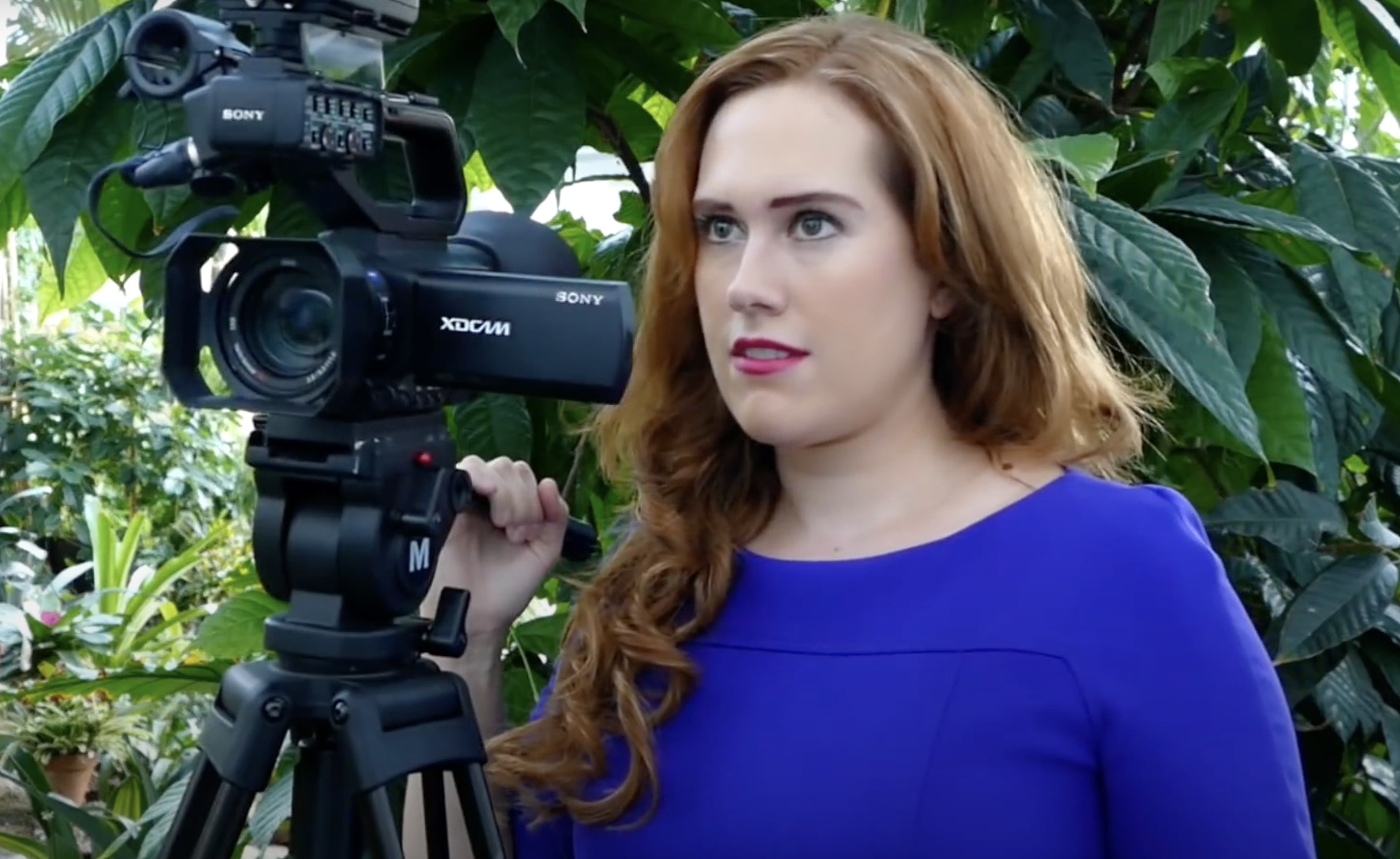
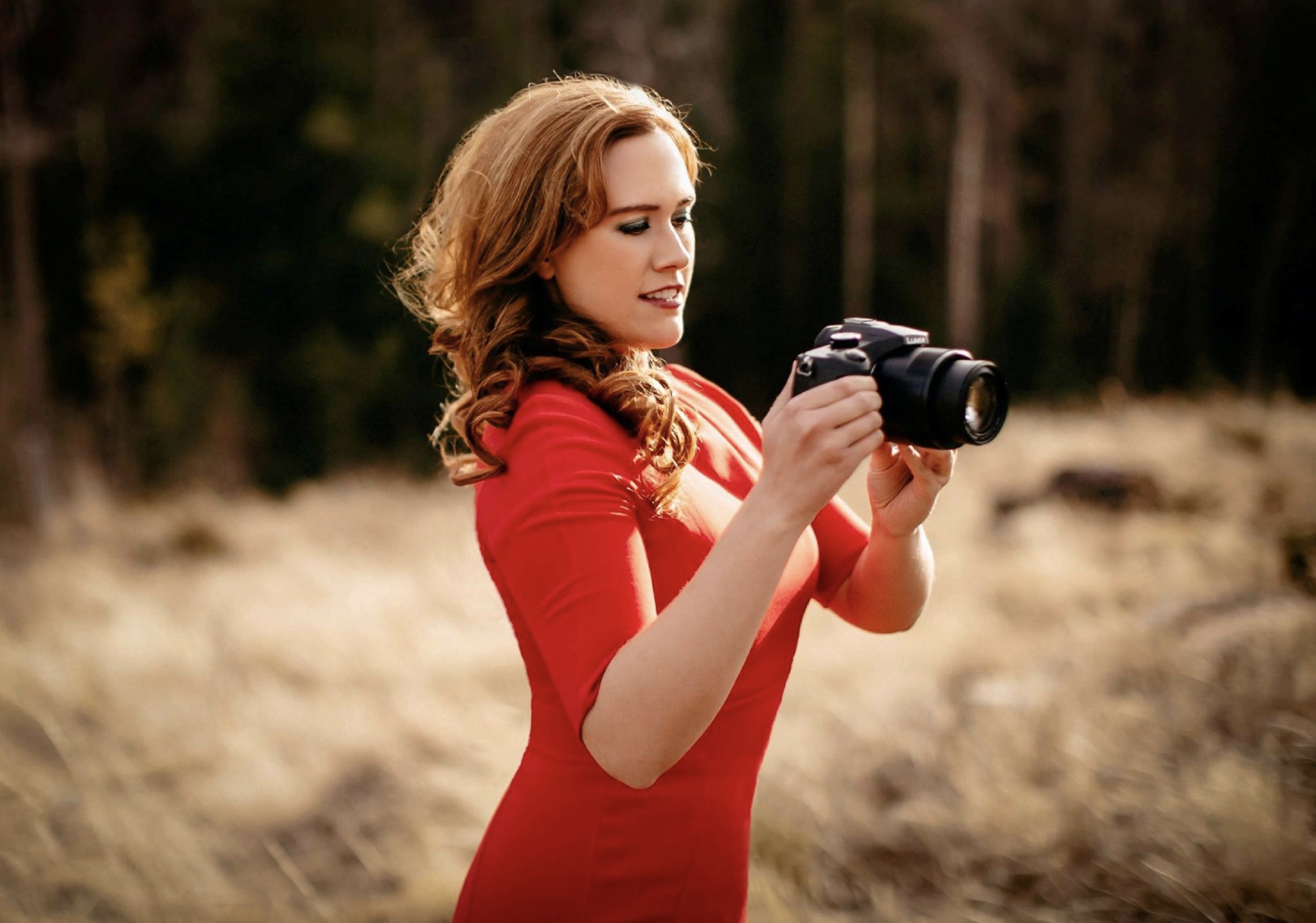
Hello, I’m Katherine Chloé Cahoon, an award-winning television news anchor, enterprise reporter and host, with more than ten years of experience in journalism.
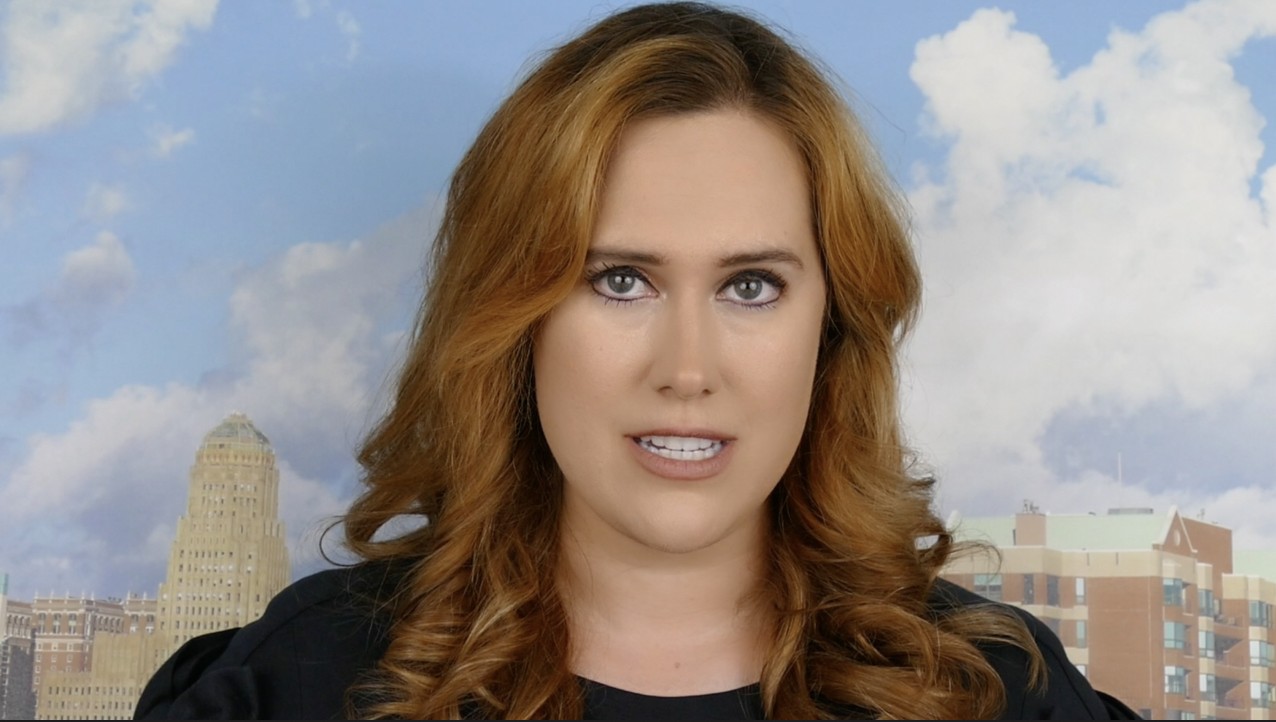
Some of my pieces have trended internationally. My social media has over 77,000 subscribers/followers and 4,000,000 YouTube views. I graduated with honors from Vanderbilt University, majoring in International Media and Management.
Now, I am studying at Harvard University in the Journalism master’s program with a grade A average.
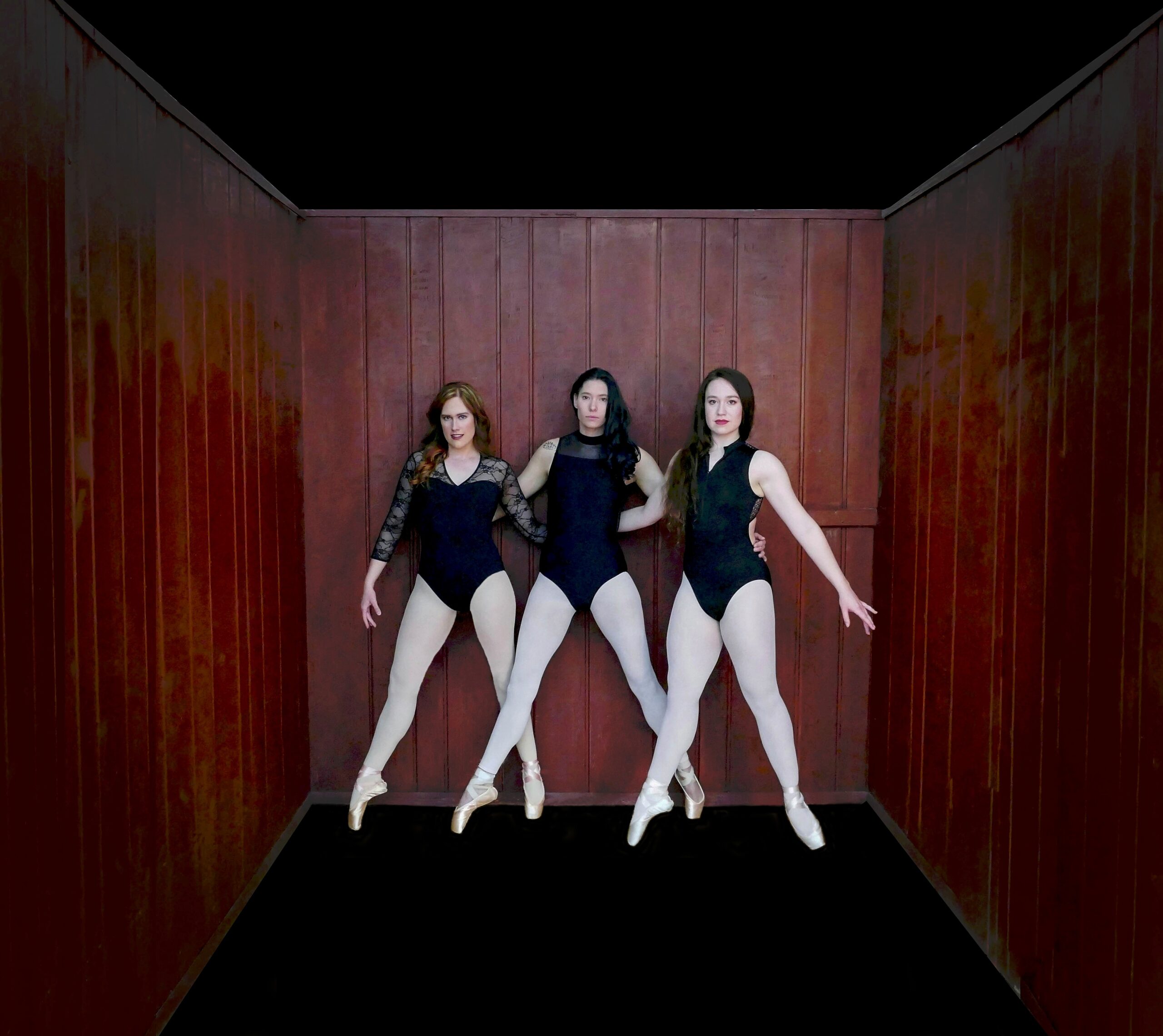
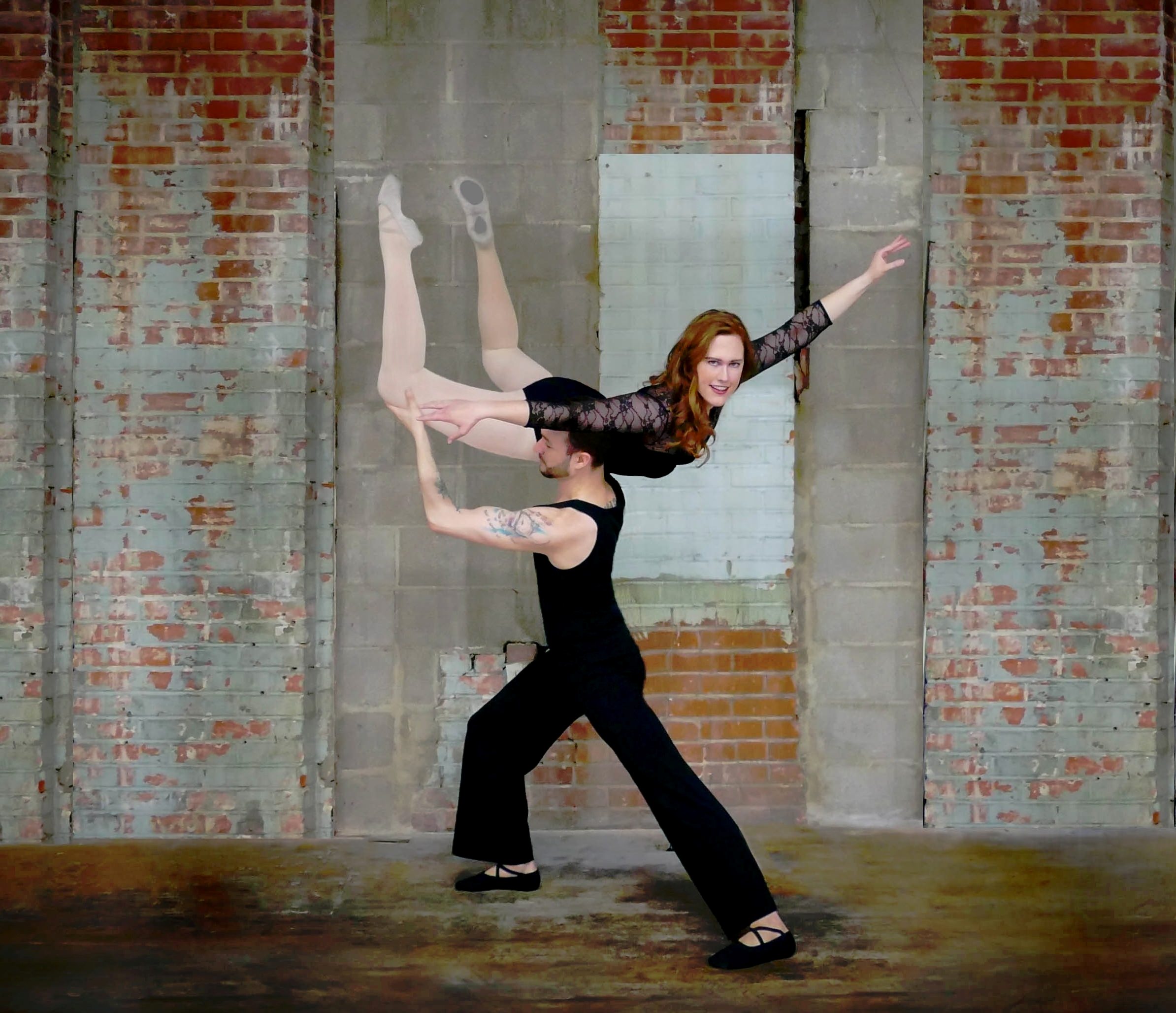
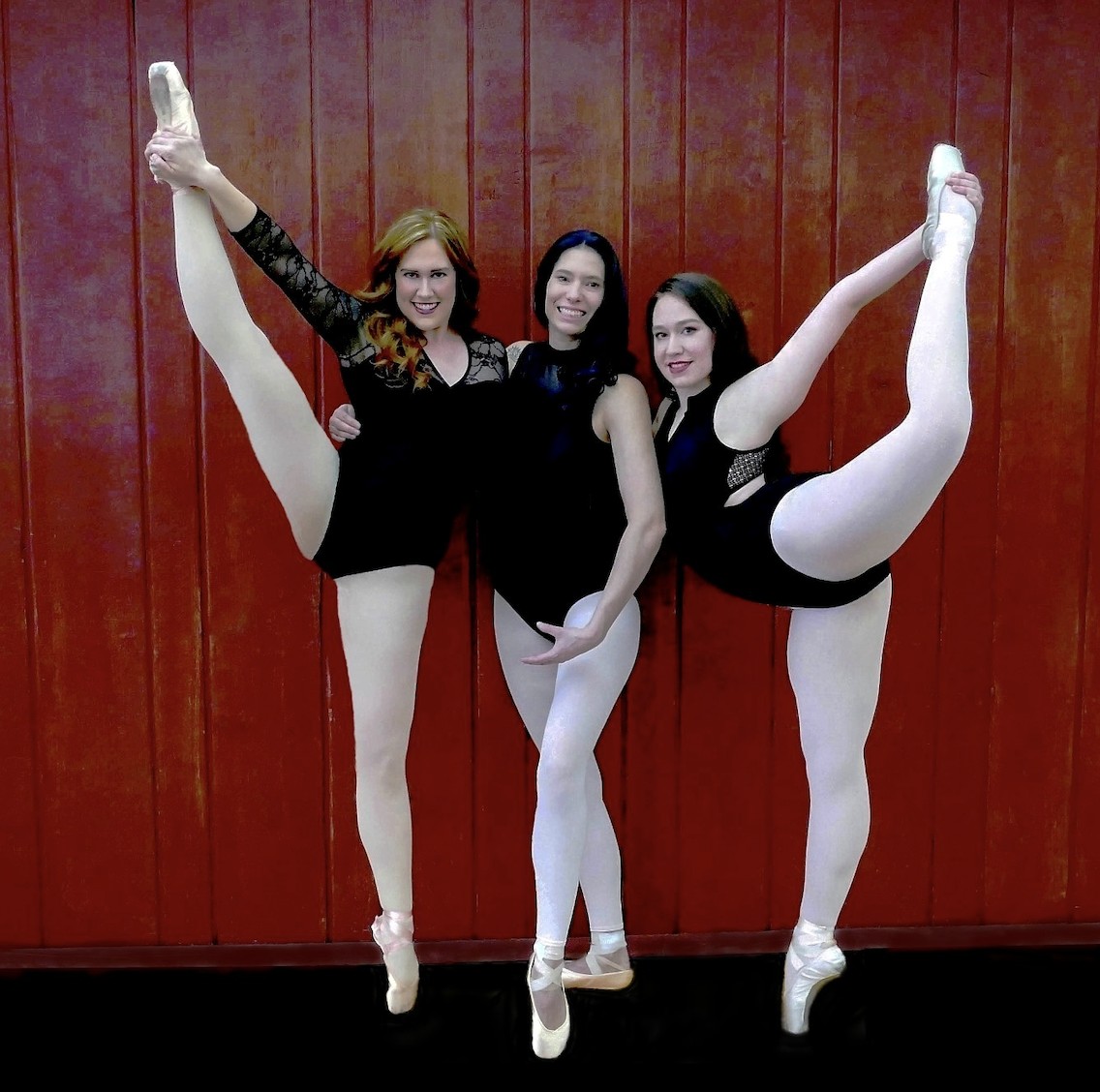
I also have decades of experience as a professional dancer. I graduated from the official school of Pacific Northwest Ballet. InfoSeattle says it “ranks among America’s leading ballet companies.” PNB and its school instilled in me a commitment to community service.
Throughout my career as a journalist, my community involvement has built upon this experience by incorporating the performing arts. I have been a guest performer in productions within my broadcast area. I've been chosen by creators and producers to report on the openings of Broadway touring productions and helped educate children about the arts.
After graduating from Vanderbilt University, I began blogging on this website. I continued during my time in the entertainment industry and television news. Everything I learned throughout my career has helped me to become a better journalist.
Here are the answers to some of my most frequently asked questions. I love hearing from you all! Reach out at any time.
How did you get into television news?
After graduating from Vanderbilt, I worked as a lifestyle book, film and magazine writer. I also teamed up with businesses to create and host multimedia videos. They showcased fashion, the beauty industry, and dance.
Some of my work included aspects of humor. After winning an award in Canada for one of my pieces, comedian Patrick Maliha invited me to be a guest on The Rush, a national entertainment talk show there.
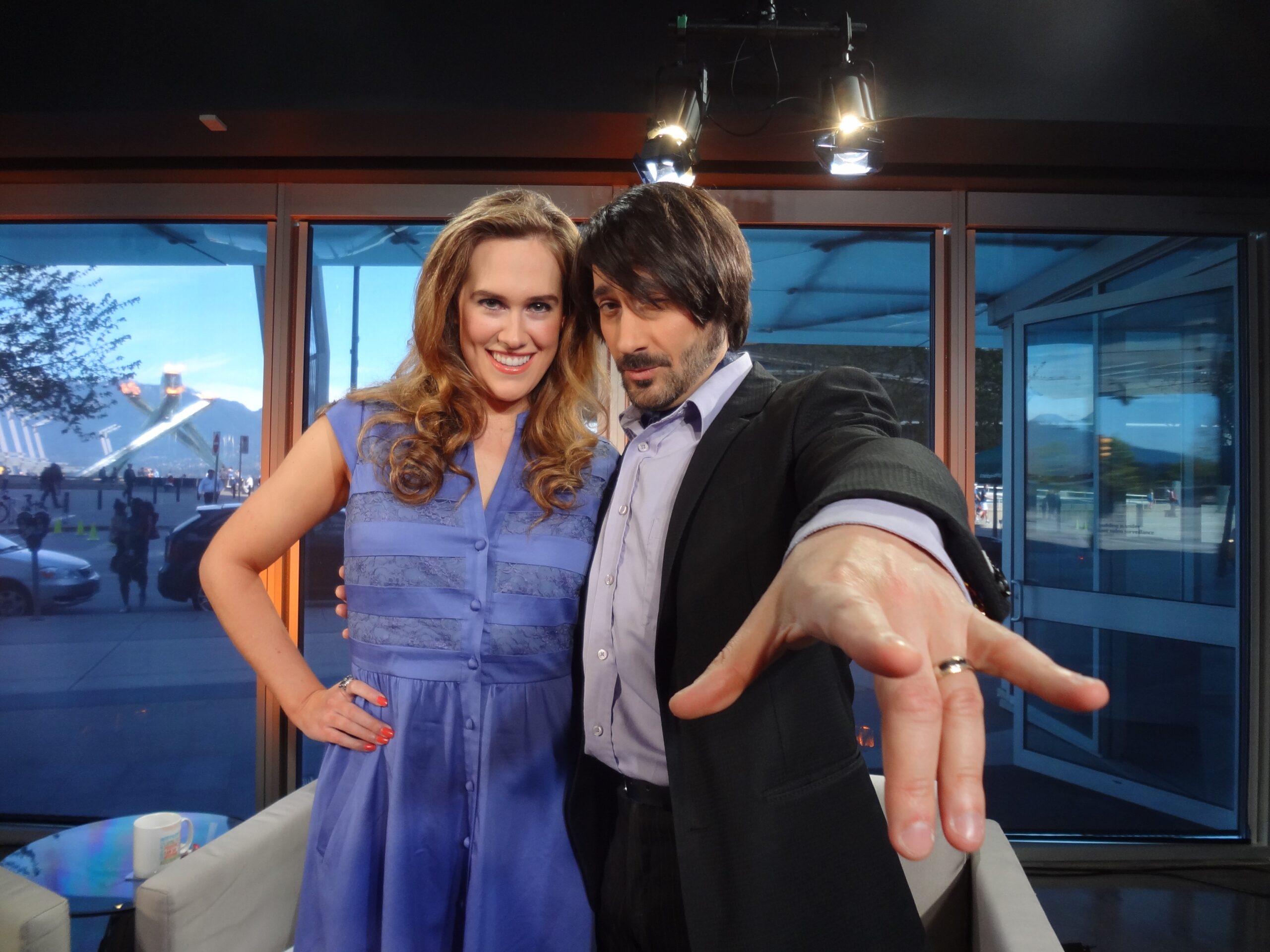
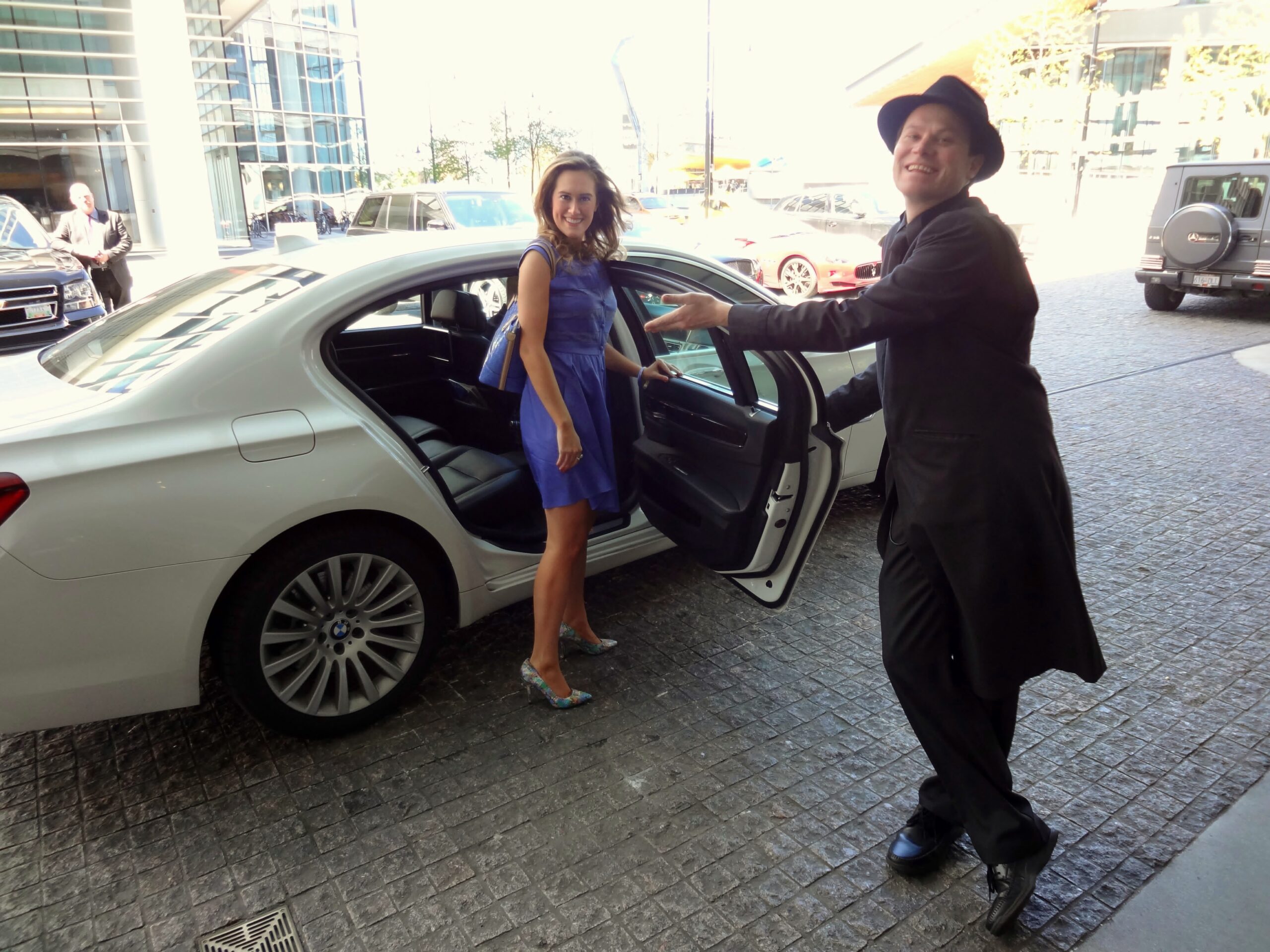
Patrick and Fiona Forbes cohosted that episode. Everyone on their staff made the experience so special, from the chauffeur who drove me to the station to the producers who gave me a tour of the set before the show.
While on The Rush, I was intrigued by the fact that many of the stories on-staff journalists wrote for the show aired the same day or week. Up to that point, I had worked in industries where the stories I created had lead times lasting months. They gave me the chance to dig deep and immerse myself in the subjects.
I loved my career; however, I wanted to also create stories with immediacy. I wanted to write about both up-to-the-minute subjects and those that were evergreen.
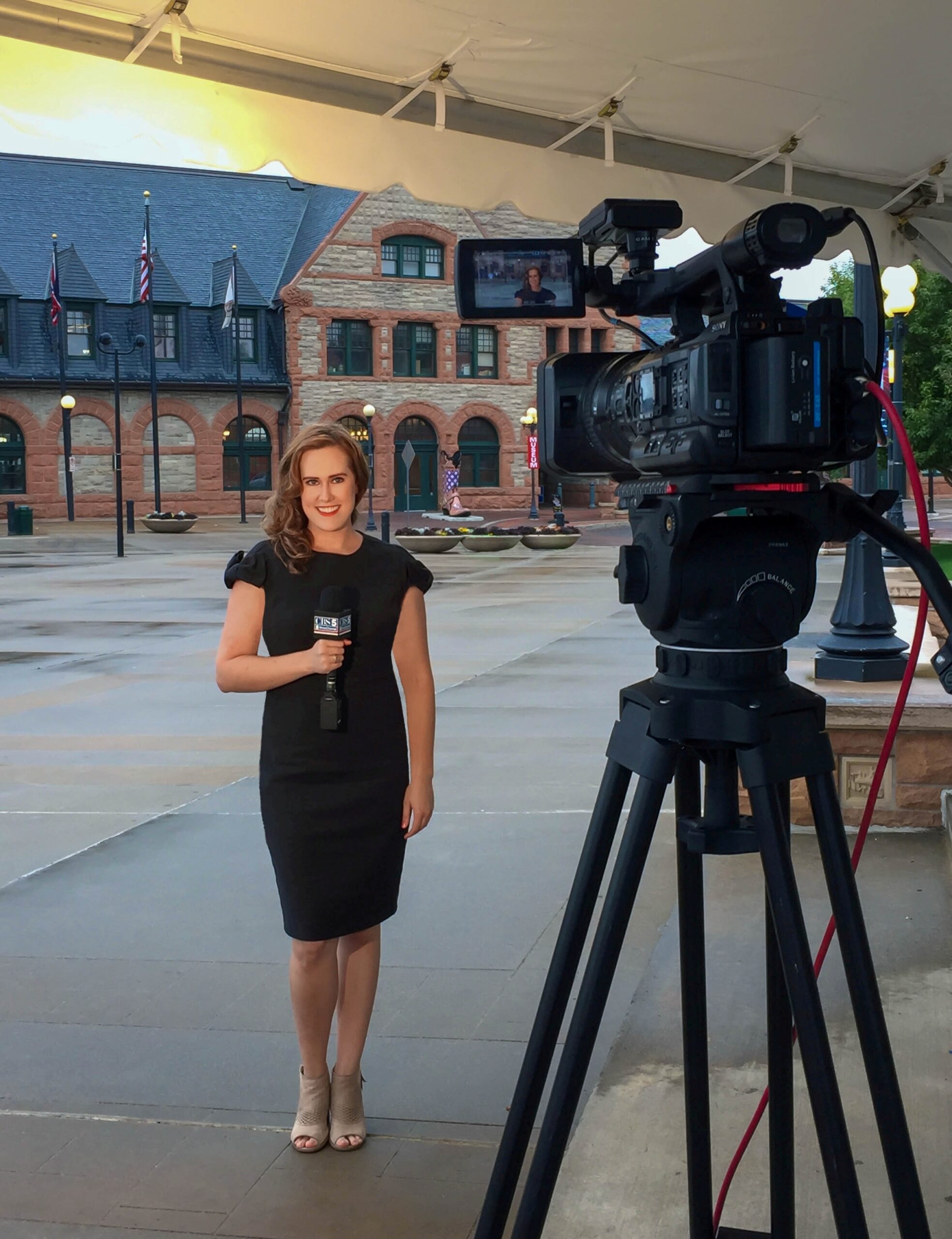
In 2016, I became an anchor and reporter for ViveStream, a national internet show based out of San Diego. Five days a week, I hosted a four-hour lifestyle show featuring segments on news, fashion, beauty and health. I also prepared and wrote the content.
My show rose to #1 out of thirty in that genre based on viewer volume and loyalty. It aired in North America, Canada and Europe.
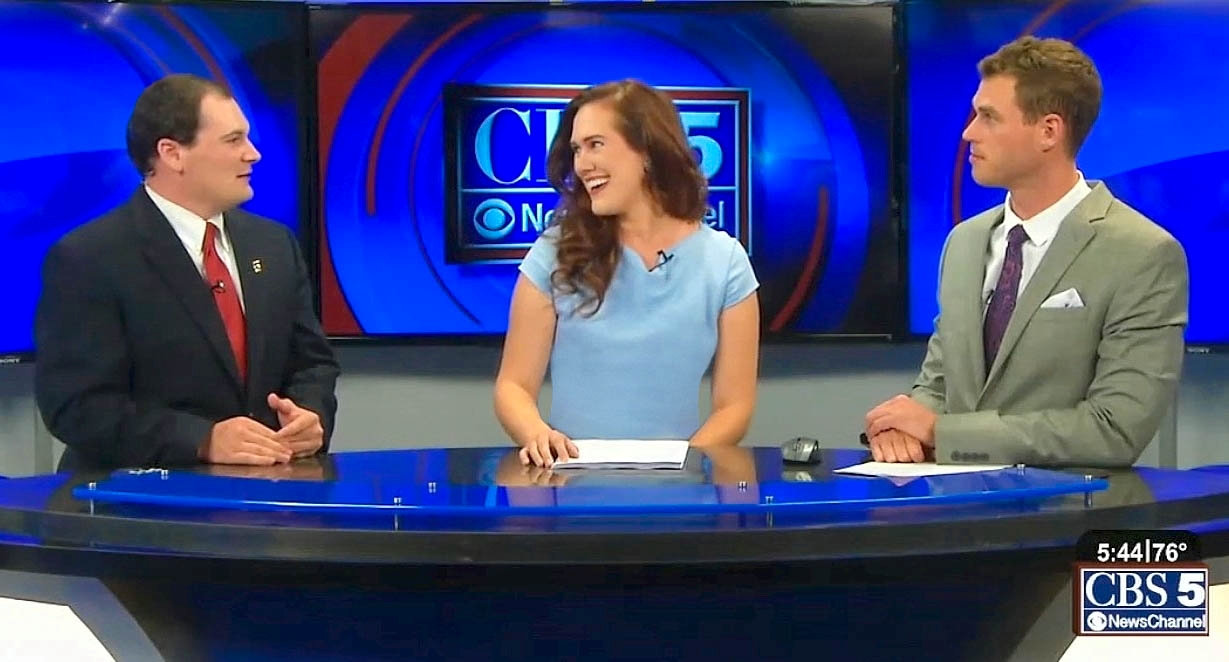
The next year, a news director for a CBS affiliate station offered me a position as a lifestyle host, with a weekly comedy sketch that I could create. During my first day on the new job, I received an urgent request to fill in for a traditional news anchor and reporter.
In this capacity, I was asked to cover everything from hard to light news, including topics like breaking news and issues addressed by state and national legislatures.
One of the directors there said, “Embrace this. I have a feeling it will be a life-altering experience for you.” She was right! My first few breaking news stories won state-wide awards.
Every morning, I was excited to wake up and go to work. I realized that viewers needed to hear the stories I had the privilege of researching, writing, and presenting. They needed to know when it was not safe for them to enter a park because it had become a crime scene. They needed to learn about a legislative bill that would protect the evidence gathered from rape victims until they felt safe enough to come forward.
Viewers also needed to feel uplifted with optimistic stories, like this one I created showing families where they could safely enjoy outdoor sports on snowy winter days.
When did you move to New York State?
Multimedia news is a passion of mine. In 2019, I moved up to a top-60 market, headquartered in Buffalo, New York.
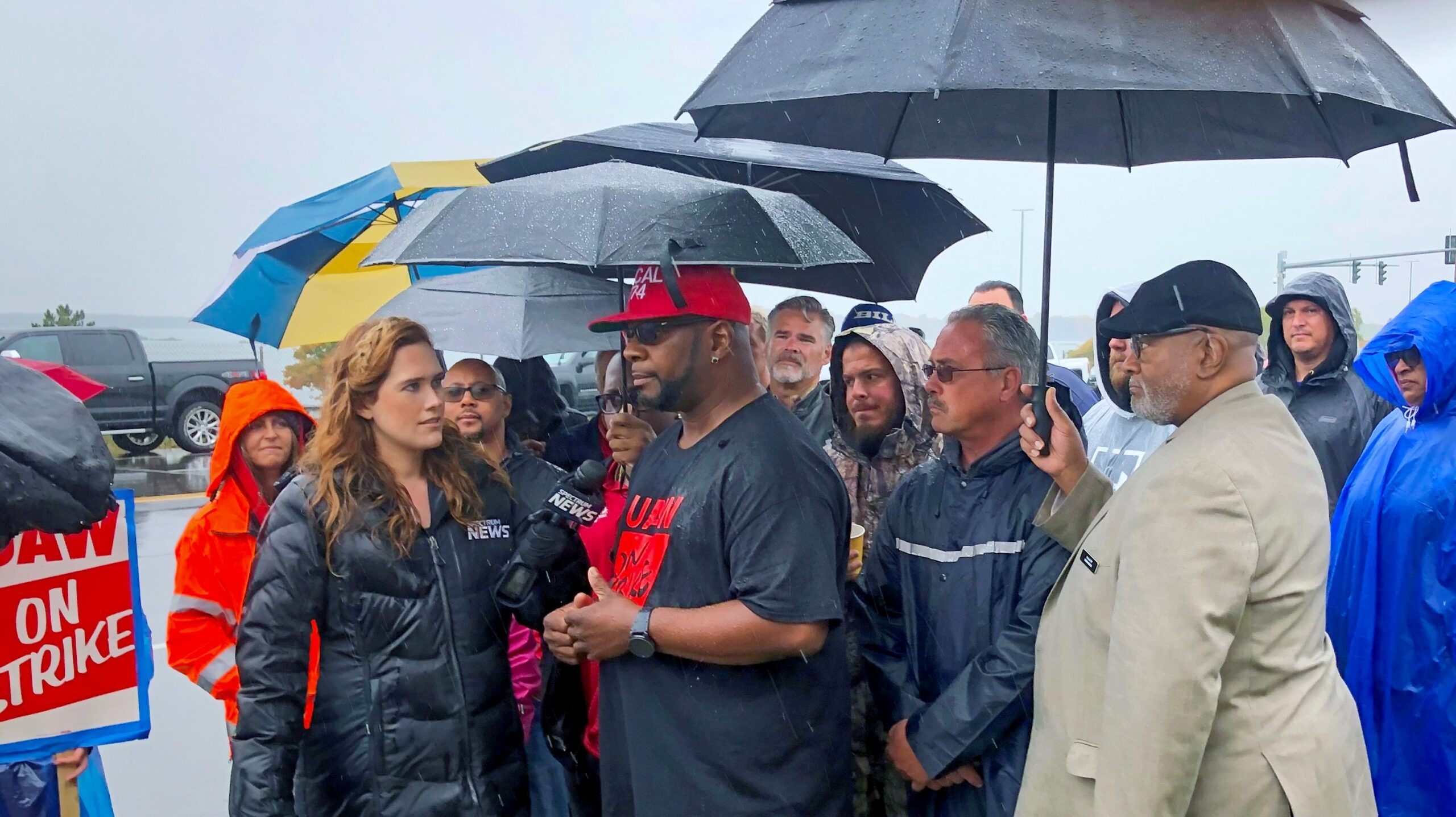
Once there, I received a promotion expanding my responsibilities to reporting and anchoring regionally. Viewership covered Buffalo to Hudson Valley. Many of the stories I created in that position aired nationally.
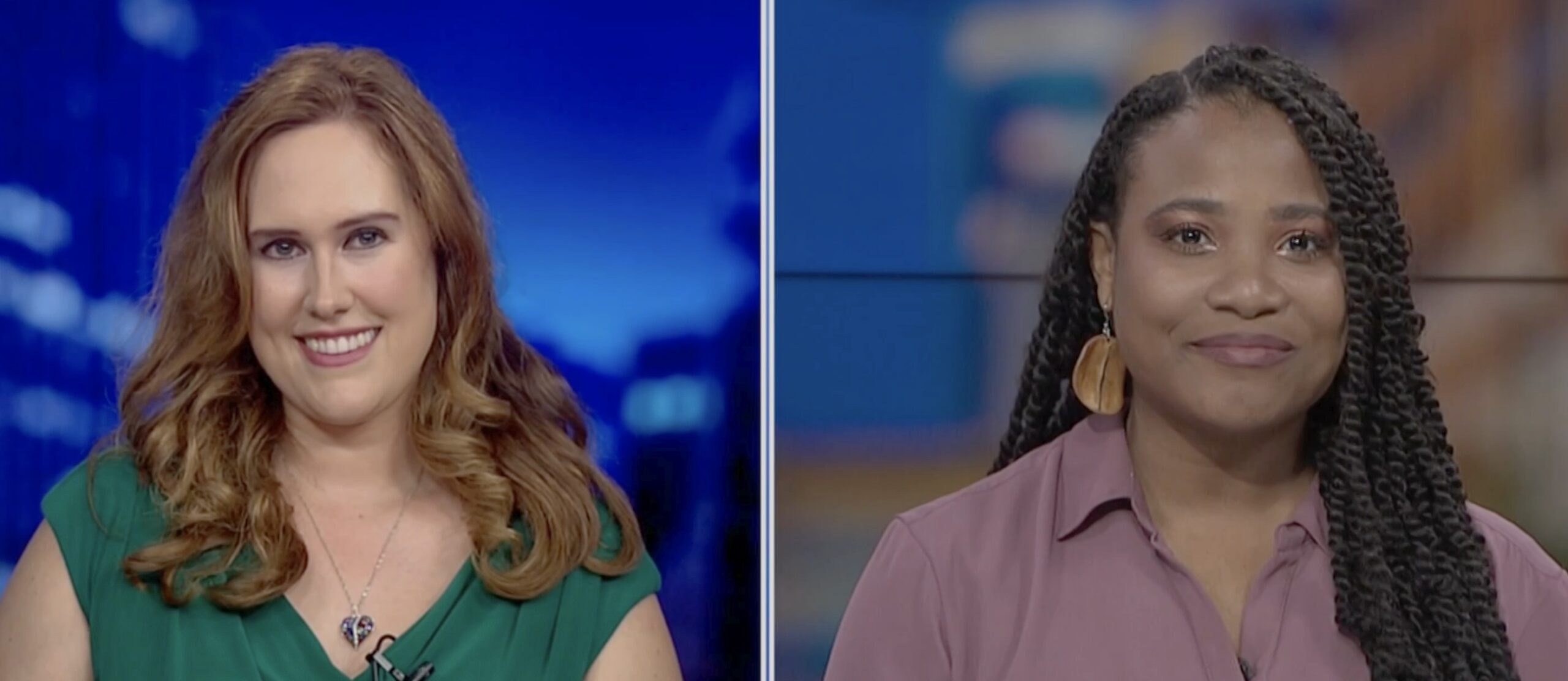
Stories I have had the privilege of creating while earning my journalism master’s degree from Harvard University have aired on media outlets worldwide.
What I love most about being a journalist is the ability to cover a large variety of topics. They range from politics, historic restoration, and court cases to the theatre, hospitality, and fanfare at professional sporting events.
Here is a three-part series I created about a historic home built over a century ago, where new owners found relics from the original owners.
In my career now, I get to incorporate what I learned as a lifestyle writer in many of my earlier stories. When appropriate, I can also bring humor to my lighthearted pieces, and I love it.
Who writes, shoots and edits your stories?
For most of my stories, I set up the interviews, research data, film, edit, write the scripts, and create motion graphics.
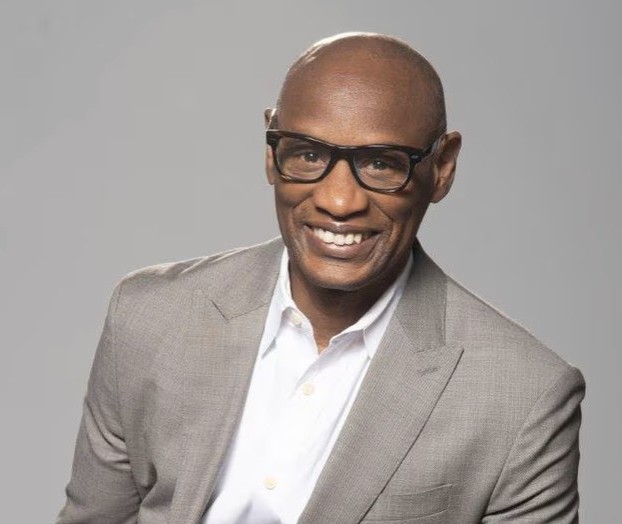
I strive to follow advice I received from Darryl Fears, a Pulitzer Prize winner and a senior correspondent for over two decades at The Washington Post. He guest-lectured at one of my graduate courses and explained how journalists today “must know how to do it all.”
For live stories, some in-depth reports and when anchoring, I work with a team. I’ve learned the importance of both working independently and as part of a group. What matters is whatever each report calls for, and whatever my news director feels benefits the show most.
What does a typical day as a journalist look like?
There really isn’t a typical day. Each one is unique. On some days, I am at the station anchoring, while on others, I am in the field reporting. There are even times when I am doing something like filming wild rapids from a boat that feels like it is going Mach 5!
Here is a story I shot like that. It aired during the pandemic, and safety protocols were firmly in place.
What was your most challenging day in news?
Lightning struck our news station a few minutes before a show in which I was scheduled to anchor. Such an event is almost unheard of. News stations are built to endure as much as possible under a variety of conditions, so that news can always reach the public.
On the day of the storm, all our teleprompters stopped working and, despite saved backups, much of the show’s video would not play.
This occurred over a weekend when our news director was not present, and the storm had knocked out communications systems. Our engineers later said no one had ever envisioned such a crisis. I was the one in charge and required to call the shots.
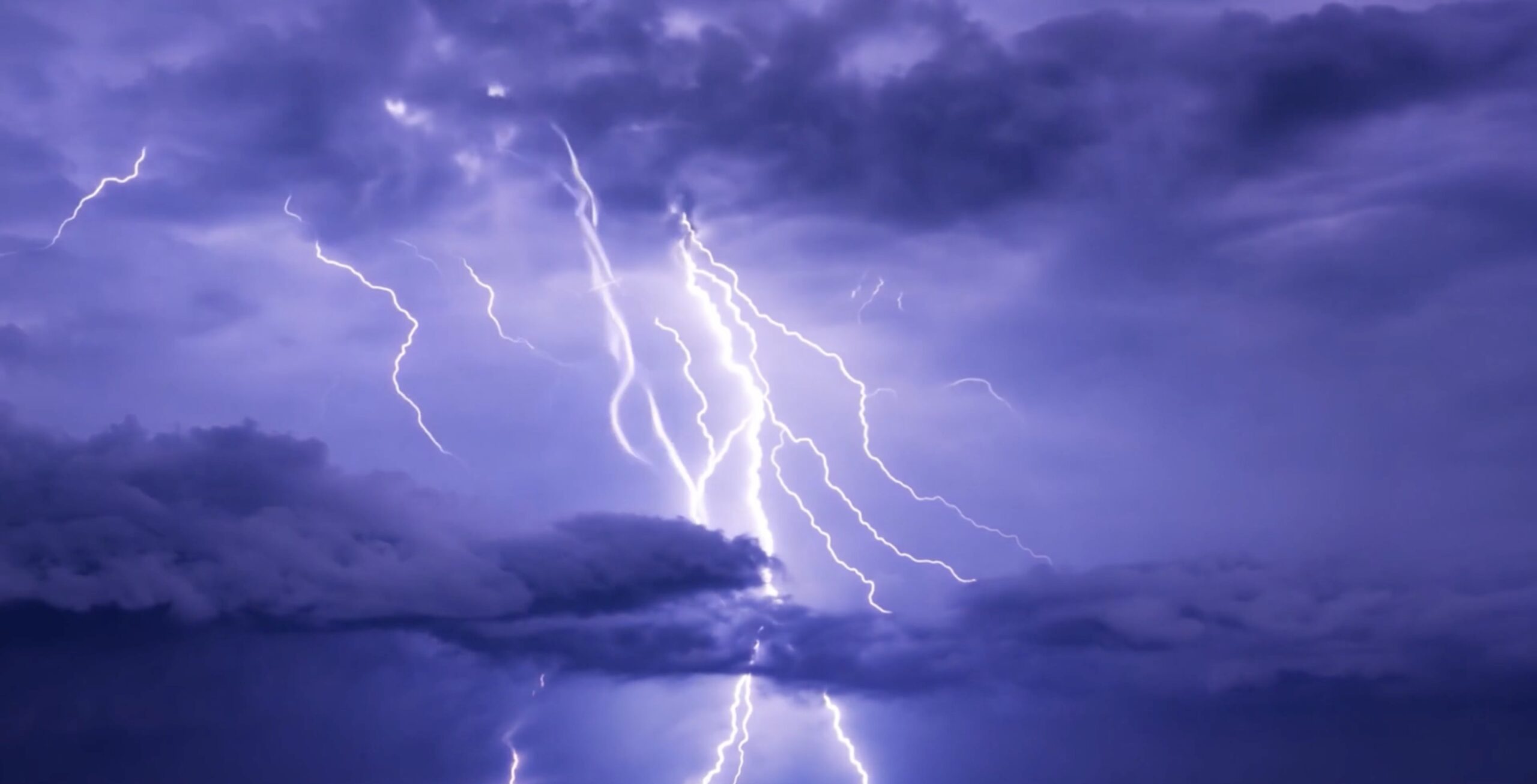
When the lightning hit, we were going live. Given the minimal video that had survived the storm, I asked one of our reporters to put as many graphics in the show as she could in the two minutes remaining before showtime to make the content more dynamic.
Next, I asked everyone who was slated to appear in the newscast to look over their stories on the printed versions once more.
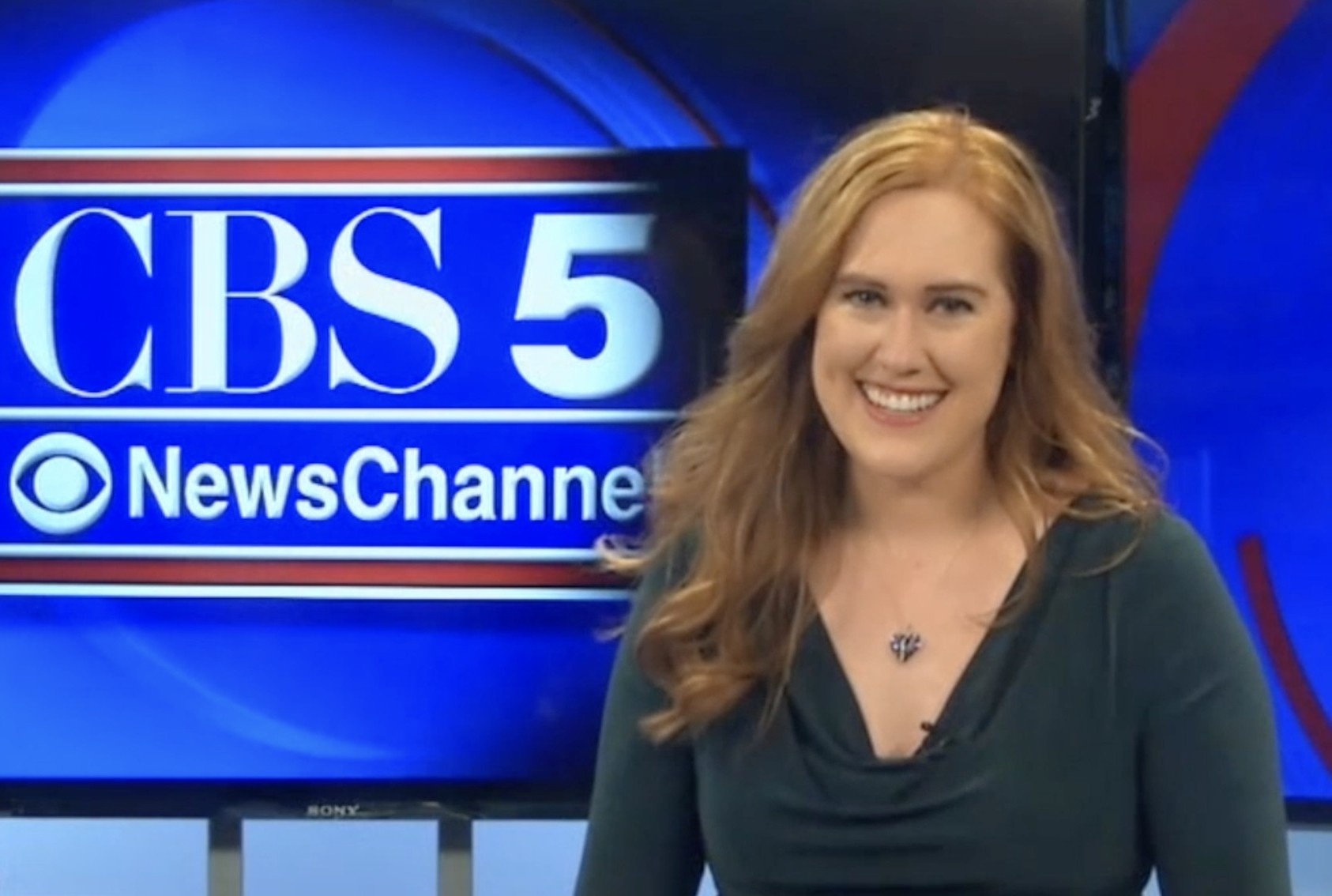
When the show began, I delivered the 30-minute news segment totally from memory. This experience taught me the value of remaining calm and stressing teamwork under pressure. Everyone pulled together that day. I was so proud of them. Here is a snapshot from the newscast.
Are you a Broadway reporter?
In 2019, I started covering Broadway productions, as many of them teched and prepped for their national tours. This all happened at the legendary Shea's Performing Arts Center in Buffalo, New York.
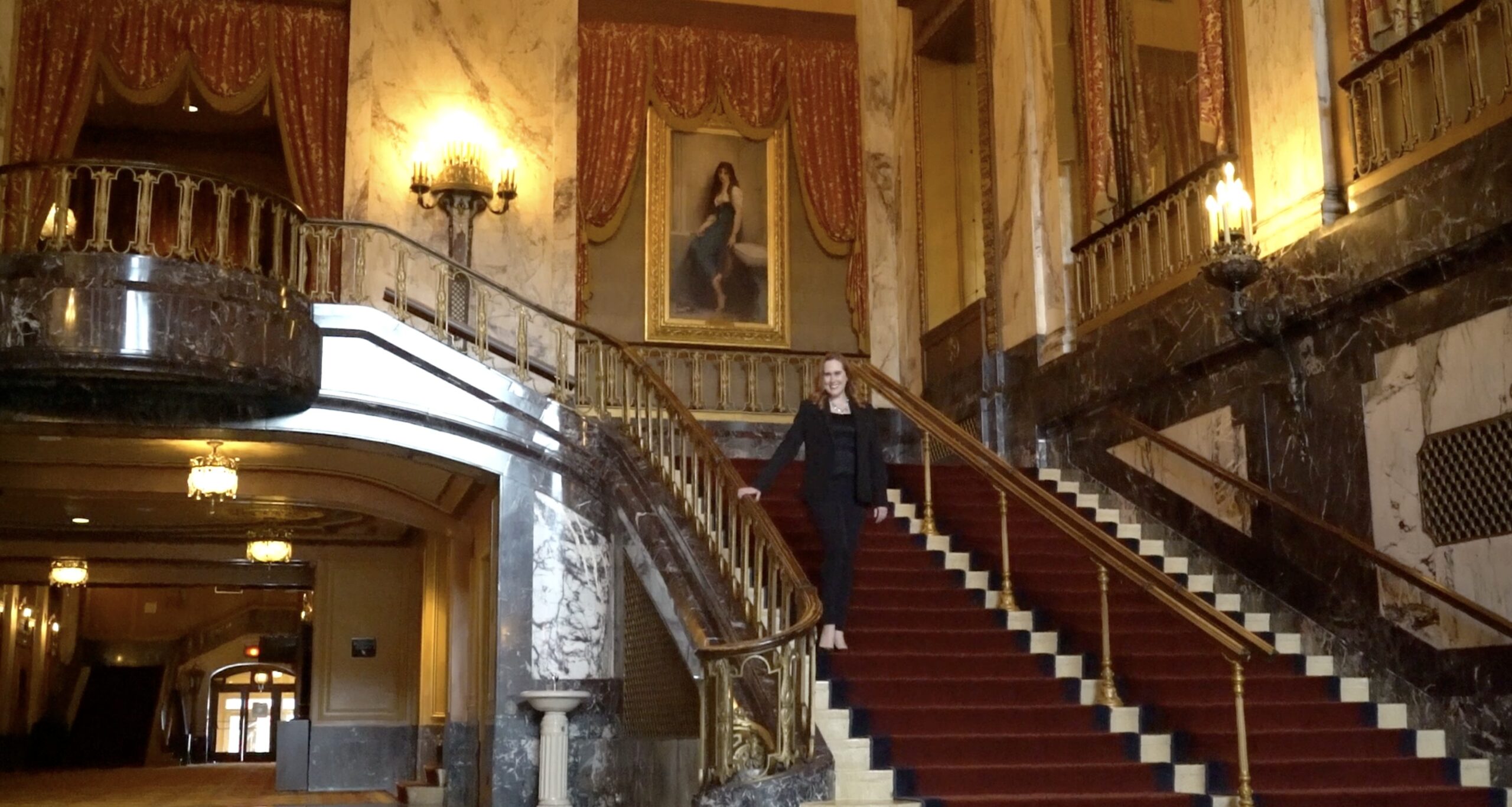
Before I was given that position, my news director said that it was nearly impossible for a reporter to get permission to cover any Broadway shows at Shea’s. Producers characteristically did not have much time to prepare for productions and understandably did not want anyone to inadvertently interfere with that process.
Since I had professional performance experience at venues comparable to Shea’s, I explained to those executives how I understood the dynamics of getting ready for a show. I said that I would never get in the way of the artists and crew while filming news reports, and that I would conduct interviews quickly. One show producer graciously agreed to let me cover his production.
After the first show, Shea’s executives sent that story to other Broadway producers planning to open there as an example of my work. They all granted me permission to cover their shows. I was extremely grateful.
While obtaining my graduate journalism degree, I have continued to study the technique of reporting about performing arts. To broaden my knowledge, I have learned about ethnomusicology, musical composition and the requirements for writing movie and theatre reviews.
Here is a story I created for one of my classes about the renowned musician, Ron Carter, just before he turned 88 years old.
What is an enterprise reporter?
Enterprise reporting is my favorite type of journalism! Reporters cannot rely upon press releases or attend press conferences for this type of journalism. They must find new stories, research them and conduct original interviews.
Here is an example of an enterprise piece I created. For it, I read over 50 documents filed in City Hall, studied floor plans and interviewed architectural preservationists and attorneys.
Why did you decide to get a master’s degree in journalism?
With modern technological developments, the way people consume news keeps evolving. At the same time, journalistic mediums are merging.
Many families do not sit down to watch the 5pm news before dinner anymore, as was typical in the past. They get the news in a variety of ways and in a manner that fits their schedules. They may listen to a podcast while cooking dinner, watch news highlights on an app on their phones before bed, or find other ways to stay updated on current events.
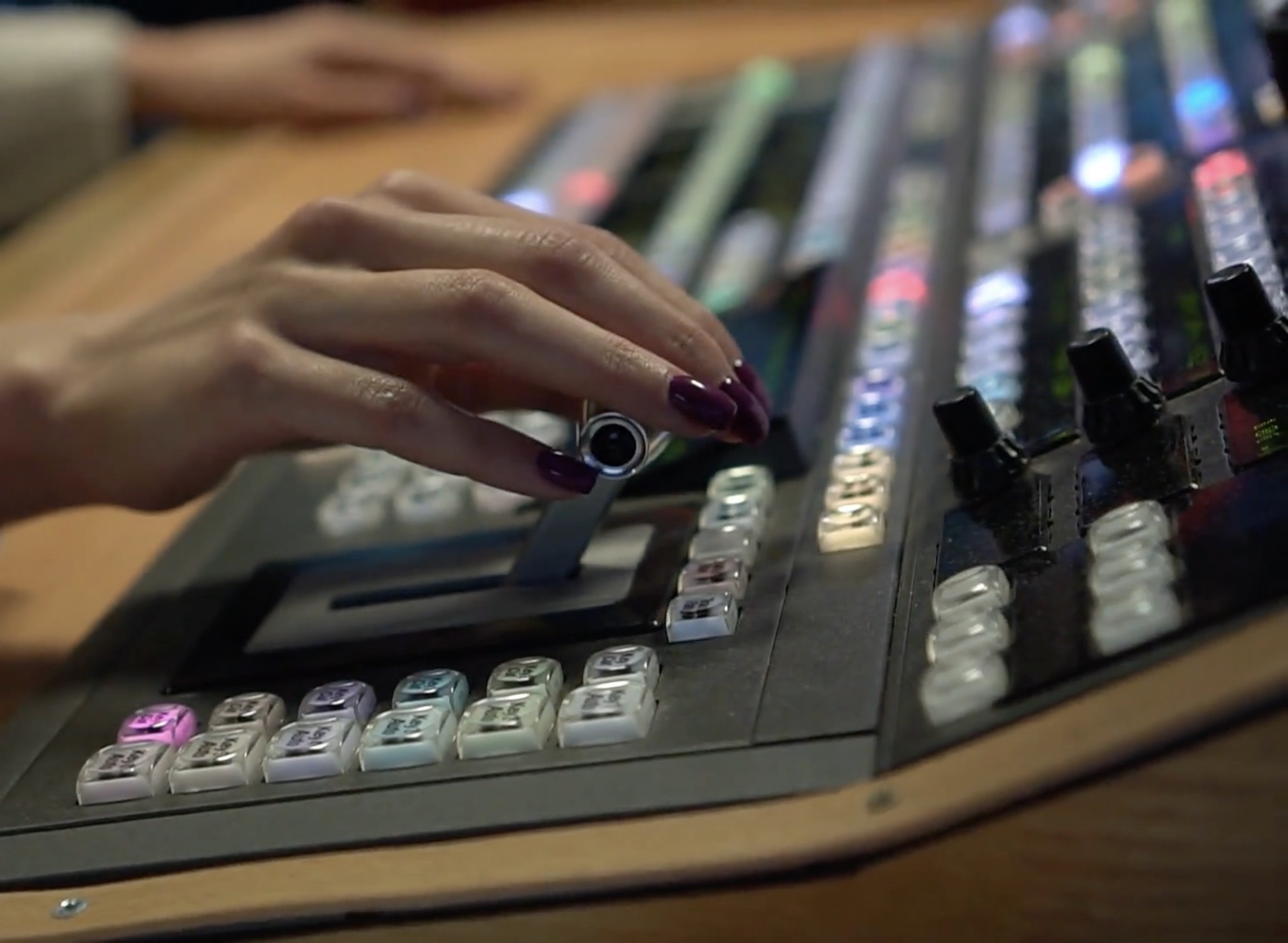
Because of this, news outlets now often feature a combination of print, video and audio stories. News directors ask journalists to become adept at all forms of journalism. To do that, I decided to embark on a graduate degree in journalism with a curriculum involving in-depth studies. They have included current practices of news anchor/reporter presentation, public speaking, news writing, video journalism, the creation of motion graphics, and reporting about race, international affairs, politics and performing arts.
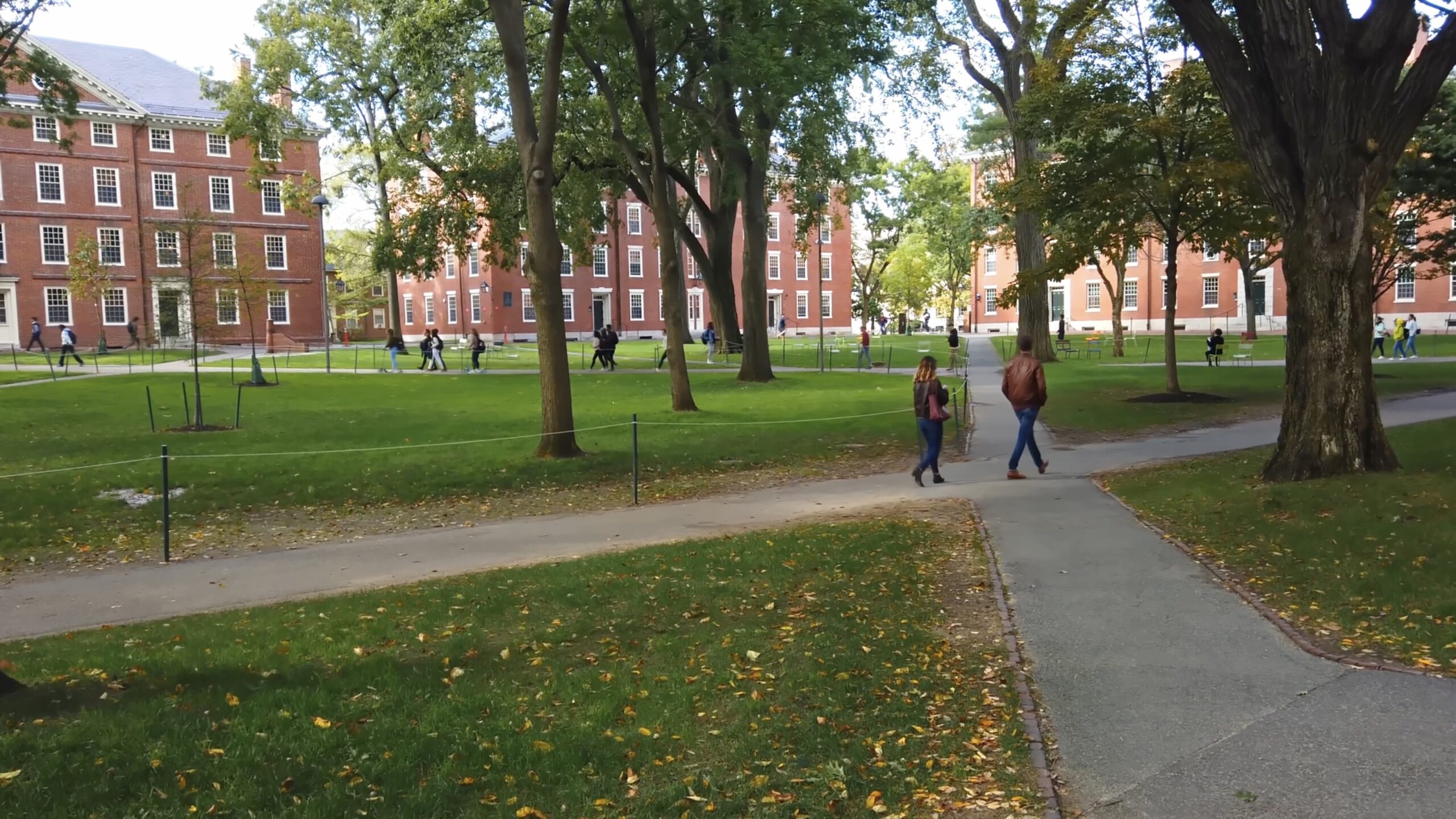
Many of the professors in my program are accomplished journalists. They give rigorous assignments. In one of my courses, the class count started at 40. When the semester ended, only six students remained. Despite extremely challenging coursework, I am so glad that I did not give up. The insights I gained from my incredible professors, and the outstanding students in my peer groups made me a better journalist.